

.png)

How to Clean Block Paving Properly
- Jack Kendall
- Jul 10
- 6 min read
A block paved drive can lift the whole front of a property - until weeds creep through the joints, moss turns it slippery, and oil marks start drawing the eye for all the wrong reasons. If you are wondering how to clean block paving without damaging it, the good news is that most driveways and patios respond well to a careful, straightforward clean rather than anything overly aggressive.
The trick is knowing what you are dealing with. General dirt, green growth, weeds and stubborn stains all need slightly different treatment. Get that part right and your paving comes up far better, while the surface and jointing sand stay in good condition.
How to clean block paving without causing damage
The biggest mistake people make is going too hard, too quickly. A pressure washer can be useful, but if you blast straight into the joints at close range, you can strip out the sand, mark the face of the blocks and leave the area looking patchy. Block paving is durable, but it still benefits from a bit of care.
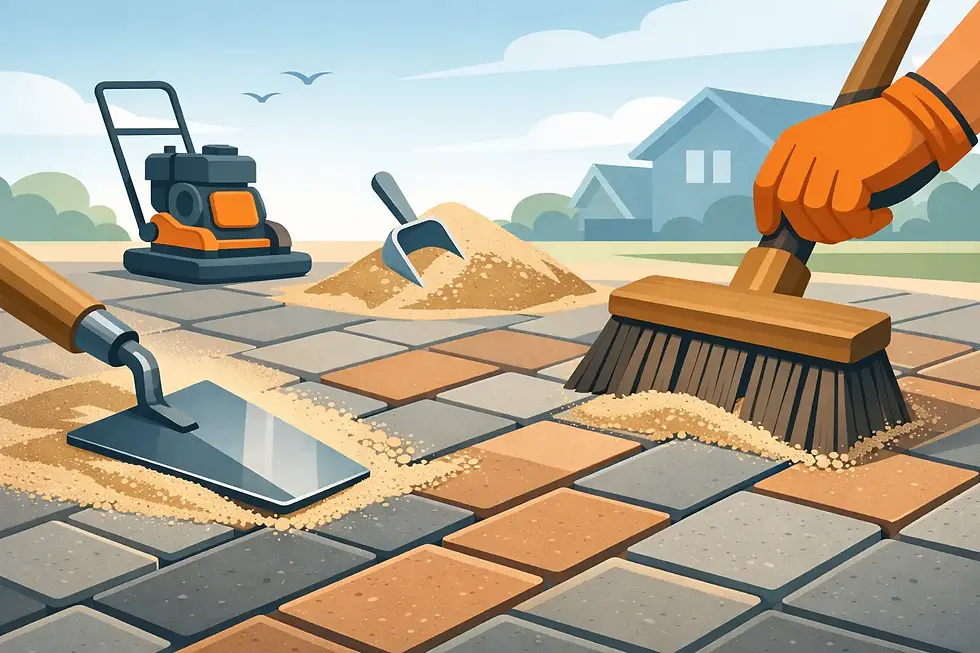
Start by clearing the surface fully. Move cars, pots, bins and anything else sitting on the paving. Sweep away loose dirt, leaves and grit with a stiff broom so you can see the condition of the blocks properly. This first sweep often tells you what kind of clean you need. If the paving is just dull with surface grime, a light wash may be enough. If there is algae, moss, black spot or oil staining, you will need a more targeted approach.
It also helps to pick the right day. Dry weather is best for preparation and re-sanding, while a mild day without strong sun makes cleaning products easier to manage. If rain is due within a few hours, hold off.
The simplest method for everyday dirt and grime
For routine maintenance, you usually do not need specialist machinery. A good sweep and a wash with warm water and a suitable paving cleaner can make a real difference. Use a stiff brush to work the cleaner across the surface, paying attention to the textured face of the blocks where dirt tends to sit.
Once loosened, rinse the area with clean water. If you are using a hose, that is often enough for lightly soiled paving. If the finish still looks tired, repeat the brushing before reaching for more powerful tools. In many cases, the problem is not that the paving is permanently stained - it is simply that grime has built up over time.
For homeowners in Berkshire with shaded drives or patios, this kind of maintenance little and often is usually better than leaving it for years and then trying to rescue it in one go.
Dealing with weeds between the joints
Weeds are one of the most common complaints with block paving. They rarely mean the paving has failed. More often, wind-blown seeds settle into the joints and grow in the surface material.
You can pull small weeds out by hand, ideally after a dry spell when they come away more cleanly. For heavier growth, a weed treatment may be the better option, but give it time to work before washing the area. If you pressure wash too soon, you can spread seeds and make the problem worse.
Once the paving is clean and dry, re-sanding the joints matters. Fresh kiln-dried sand helps lock the blocks together and reduces the spaces where weed seeds can settle. Skip that step and the paving may look cleaner for a week, but it will often become untidy again quite quickly.
Removing moss and algae safely
Moss and algae are not just unattractive - they can make the surface slippery, especially on patios and paths that get less sun. Brush off as much loose growth as possible first, then apply a cleaner suited to green growth on paving. Let it dwell for the recommended time, scrub where needed, and rinse thoroughly.
If the area is heavily affected, one treatment may not remove every dark mark straight away. That does not always mean the product has failed. Some organic staining fades gradually over the following days as the treatment continues to work.
Using a pressure washer on block paving
A pressure washer can save time, but it needs a steady hand. Keep the pressure moderate and use a fan nozzle rather than a narrow jet. Work at an angle, not straight down into the joints, and keep the lance moving so you do not etch the surface.
It is usually best to start on the lowest practical setting and test a small corner first. Older paving, decorative blocks and areas with already weakened joints need extra care. If you notice the sand being pulled out quickly, reduce the pressure and back off.
After washing, let the paving dry properly before brushing kiln-dried sand back into the joints. This step is not optional if you want the area to stay stable. Once the sand is settled, some homeowners also choose to apply a sealant, but only when the paving is fully clean, dry and in sound condition.
How to clean block paving stains
Not every stain will come out in the same way. That is why a one-size-fits-all approach often disappoints.
Oil stains from parked cars are among the toughest. Fresh spills should be blotted as soon as possible and covered with an absorbent material to draw out the oil. Older marks may need a dedicated oil remover and more than one treatment. Even then, deep-set stains can lighten rather than disappear completely, particularly on older blocks.
Rust marks, barbecue grease and cement splashes all need different handling. Cement is one to be careful with, as harsh acid products can damage paving if used incorrectly. If building materials have stained the surface after nearby work, it is often worth getting proper advice before trying to shift it yourself.
Food and drink marks on patios are usually easier. A paving cleaner and stiff brush will often lift them if caught early. The longer stains sit, the more likely they are to soak into the surface and leave a shadow.
Should you seal block paving after cleaning?
Sealing can help reduce staining, slow down weed growth and keep the paving looking neater for longer, but it is not always essential. If the paving is older, unevenly weathered or still holding moisture, sealing too soon can do more harm than good.
When done properly, sealant can enhance the colour and make future maintenance easier. The trade-off is that the preparation has to be right. The paving must be thoroughly clean, fully dry and correctly re-sanded first. Otherwise, you risk trapping problems underneath.
For many homeowners, cleaning and re-sanding is enough. Sealing makes more sense where you want extra protection on a driveway with regular vehicle use, or where a patio is prone to algae and staining.
When DIY cleaning is enough and when to call in help
If your paving is generally sound and just looking tired, a careful DIY clean is often perfectly reasonable. The same goes for light weed growth, mild grime and routine upkeep. With patience, decent products and the right technique, you can get a very respectable result.
There are times, though, when professional cleaning is the better option. Heavy oil staining, widespread black spot, long-neglected paving and surfaces that have sunk or moved may need more than a weekend wash. If the joints have deteriorated badly or the area needs repairs as well as cleaning, it makes sense to deal with the whole problem rather than just brighten the top.
That is often where experience shows. A family-run company like Lay Away UK sees the difference between paving that needs a proper clean and paving that is telling you it needs restoration work, fresh jointing or replacement in sections.
Keeping block paving clean for longer
Once the paving is back in good shape, a little ongoing care goes a long way. Regular sweeping prevents dirt and seeds building up. Treating weeds early is far easier than tackling a fully overgrown drive. Cleaning spills promptly also helps avoid lasting marks.
If your driveway sits under trees, you may need to clear leaf fall more often, especially through autumn and winter. If your patio stays shaded for much of the day, it may need more regular attention to stop moss and algae taking hold. It depends on the position of the property as much as the paving itself.
What matters most is consistency. Block paving does not usually need constant work, but it does reward sensible upkeep. Done properly, cleaning can restore the smart, well-kept look that made you choose it in the first place - and that is often all it takes to make the whole outside of your home feel looked after again.


Comments