

.png)
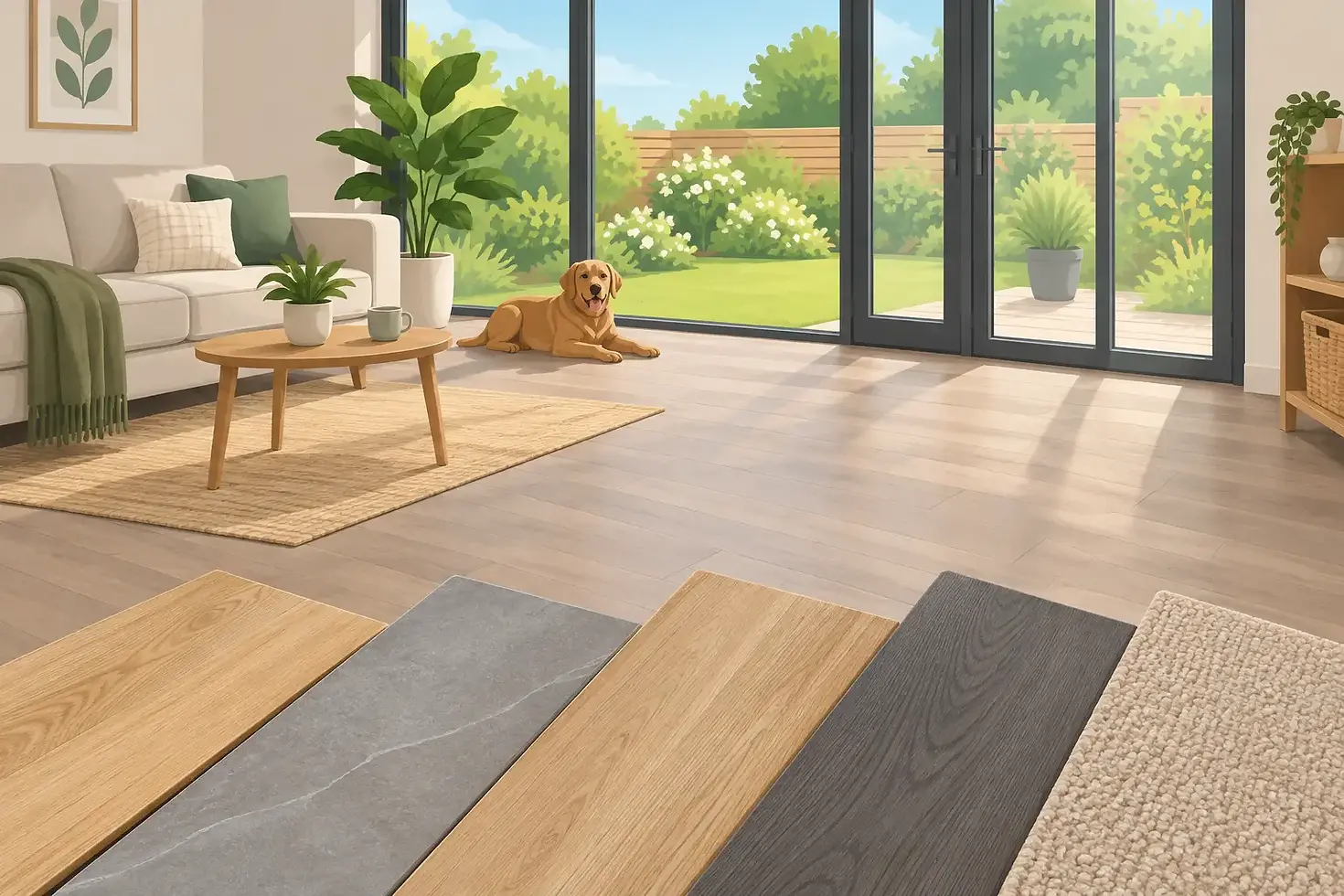
Best Garden Room Flooring for Busy UK Homes
A garden room can be a calm home office at 9am, a family den by teatime and a place to host friends at the weekend. That is why choosing the best garden room flooring is not simply a question of colour. The right surface needs to cope with muddy shoes, temperature changes, furniture, daily footfall and the way you genuinely plan to use the space.
For homeowners across Berkshire and Surrey, the best choice usually comes down to getting the balance right between warmth, durability, appearance and budget. A flooring sample may look excellent in a showroom, but it must also work with your garden room’s insulation, subfloor and heating before it earns its place.
What makes good garden room flooring?
A well-built garden room should feel like part of the home, not a shed with furniture in it. Flooring plays a major part in that feeling. It should be comfortable underfoot, easy to keep clean and suitable for the room’s exposure to changing conditions throughout the year.
Unlike a typical indoor room, a garden room may be cooler on winter mornings and much warmer when the sun is on the glazing. Moisture can also be a concern if the base has not been correctly prepared or the building is not fully weather-tight. This is why floor preparation is every bit as important as the finish you choose.
Before selecting a material, consider whether the room will be used mainly as an office, gym, playroom, entertaining space or occasional guest room. A peaceful reading room has different requirements from a gym with weights or a family room opening straight onto the patio.
Best garden room flooring options compared
Luxury vinyl tile and SPC flooring
Luxury vinyl tile, often called LVT, is one of the most practical choices for a garden room. It comes in convincing wood and stone-effect finishes, is comfortable underfoot and is much more forgiving than real timber when wet shoes or a spilled drink make an appearance.
For garden rooms, rigid-core SPC vinyl is particularly worth considering. Its stable core handles changes in temperature well, while its waterproof surface makes it a sensible option for rooms that open directly to the garden. It is also straightforward to clean, which matters in a hard-working family space.
LVT is not usually the cheapest option at the outset, especially when the subfloor needs levelling. However, it offers strong long-term value because it is durable, low-maintenance and available in styles that suit both traditional and modern homes.
Engineered wood flooring
If you want a warmer, more natural finish, engineered wood can make a garden room feel properly connected to the house. Unlike solid wood, it is made from layered timber, which gives it better stability where temperatures and humidity vary.
Engineered oak works particularly well in a garden office, studio or entertaining room. It adds character and can look excellent beside large glazed doors, painted walls and well-designed patio areas. It is also compatible with many underfloor heating systems, provided the product and installation method are suitable.
There is a trade-off. Engineered wood needs more care than vinyl, and it is not the best choice for a room that will regularly see wet dogs, sports equipment or children running in from the garden. Choose a quality product, protect it with mats near doors and deal with spills promptly.
Porcelain tiles
Porcelain tiles are hard-wearing, water-resistant and ideal for garden rooms that flow into a patio or landscaped garden. They are a strong option for a dining area, gym, hobby room or space with bi-fold doors where you want a clean, contemporary look.
A good porcelain tile will stand up well to heavy furniture, muddy footwear and frequent cleaning. It can also work beautifully with underfloor heating, turning what could otherwise feel like a cold surface into a comfortable year-round floor.
The main consideration is warmth. Without underfloor heating or a well-insulated base, tile can feel chilly underfoot in winter. Installation also needs to be carried out carefully, as an uneven or moving subfloor can lead to cracked grout or tiles over time.
Laminate flooring
Modern laminate has improved considerably and can provide the appearance of timber at a more affordable price. It is a reasonable option for a garden office or low-traffic room that is fully insulated, dry and not directly exposed to garden mess.
That said, not every laminate is suited to a garden room. Standard products can swell if water gets into the joints, so look for a water-resistant range and do not assume it is fully waterproof. If the room has large doors leading outside or will be used by a busy family, LVT may be the safer investment.
Laminate can still offer good value where the budget is tight and the conditions are right. The key is to use the right underlay and ensure the floor beneath is dry, level and stable.
Start with the base, not the finish
Even the most attractive flooring will disappoint if it is laid over a poor base. A garden room floor must be properly insulated and protected against damp before any final surface is fitted. This is especially important for buildings installed in an existing garden, where ground conditions and drainage can vary.
A concrete slab should be sound, dry and level. Timber subfloors need to be secure, ventilated where required and free from movement. If you are fitting a floating floor such as LVT, laminate or engineered wood, small imperfections can often be corrected with levelling compound or suitable underlay. Larger problems need addressing first.
It is tempting to save money by skipping this stage, but it often leads to squeaks, gaps, lifted edges or a floor that simply does not feel right. A professional installation begins with the unseen work because that is what protects your investment.
Think about heating and insulation together
The comfort of a garden room depends on more than the flooring material. Good wall, roof and floor insulation will keep the room more stable throughout the seasons, helping your chosen finish perform as it should.
Underfloor heating is a popular addition, particularly beneath porcelain tiles and selected LVT or engineered wood products. It frees up wall space, gives an even warmth and makes the room more inviting on colder days. Always check that the flooring is approved for underfloor heating and follow the manufacturer’s limits on surface temperature.
If underfloor heating is not part of the plan, a warmer material such as LVT or engineered wood may suit you better than tile. Rugs can add comfort and soften the look of the room, but they should complement a well-insulated floor rather than make up for a cold one.
Matching the floor to how you will use the room
For a home office, LVT, engineered wood or quality laminate can all work well, depending on the budget and desired finish. Consider castor chairs too - a protective chair mat or suitable floor protectors can prevent marks over time.
For a gym, choose a durable base such as LVT or tile, then use proper rubber gym flooring where weights or equipment will be placed. Engineered wood may look smart, but it is less forgiving of dropped dumbbells.
For a children’s playroom or family snug, waterproof LVT is often the sensible choice. It is warm enough for play, easy to wipe clean and available in wood-effect designs that do not feel overly practical or commercial.
For a garden entertaining room with patio doors, porcelain tiles can create a striking indoor-outdoor finish. Using a similar tone to the patio helps the space feel larger and more connected, although the indoor and outdoor tiles should each be specified for their proper conditions.
Choosing a finish that suits your garden
Your garden room floor should not be chosen in isolation. Look at the materials already around it, including your patio, paths, fencing and planting. Warm oak-effect vinyl can soften a contemporary paved garden, while stone-effect tile may sit naturally alongside a porcelain patio.
Lighter finishes can make a compact garden room feel more open, but very pale floors may show dirt more readily near an entrance. Mid-toned wood effects and textured stone styles are often a sensible middle ground for busy households. Avoid highly glossy finishes if the room receives strong sunlight, as they can show smudges and glare.
At Lay Away UK, we encourage homeowners to consider the garden room, patio and wider landscaping as one complete project. When the levels, thresholds and finishes work together, the result looks more polished and is easier to use every day.
A garden room should make life at home better, not add another maintenance job to the list. Choose flooring that suits your real routine, invest in a properly prepared base and prioritise quality where it will be felt underfoot every day.


Comments